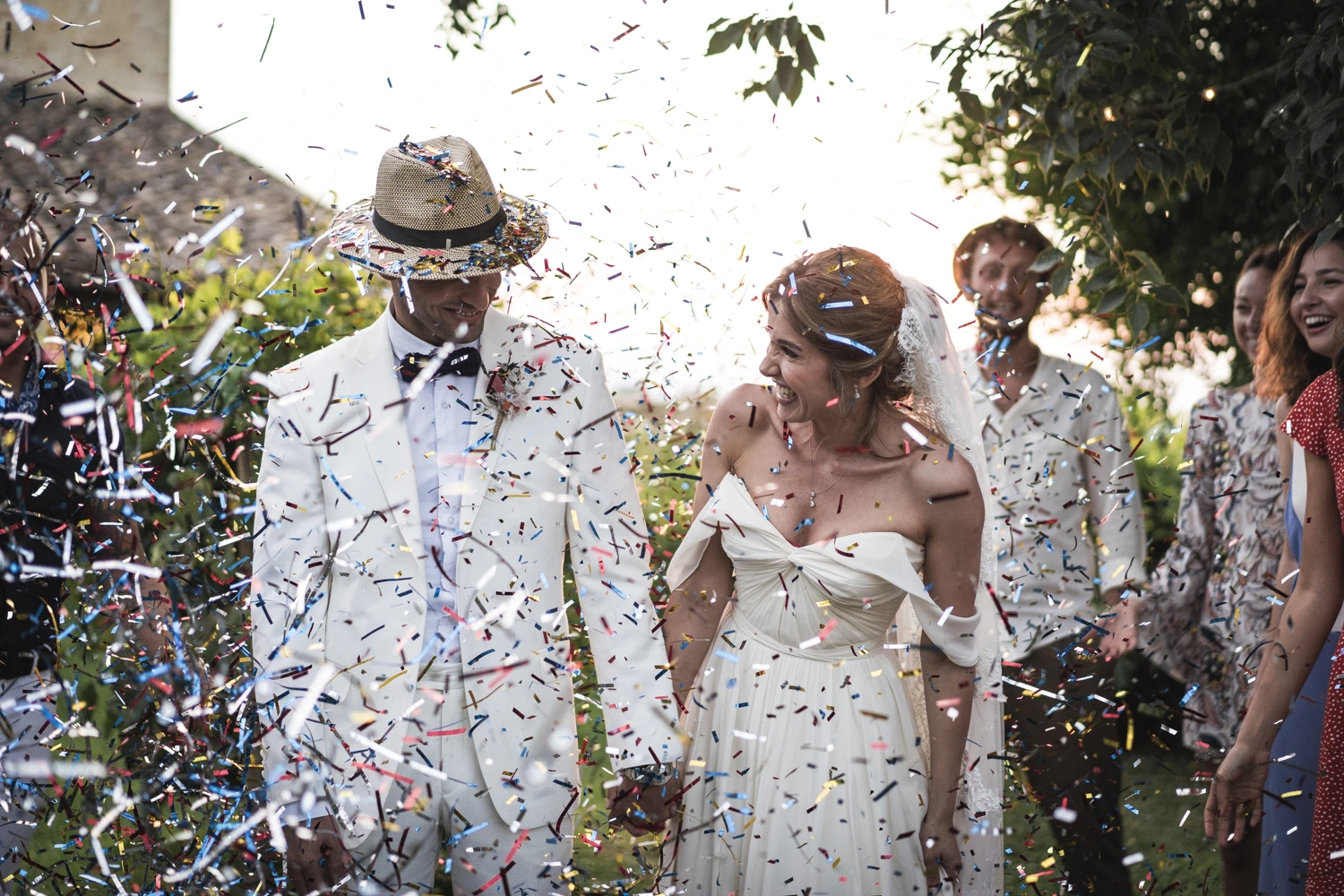
There's a silent pact between a photographer and those who view their work: the idea that the lens captures reality exactly as everyone sees it. Today, however, I've decided to break that pact. I want to tell you something I've guarded closely for years, sharing it only with those dearest to me.
I'm a colour-blind photographer.
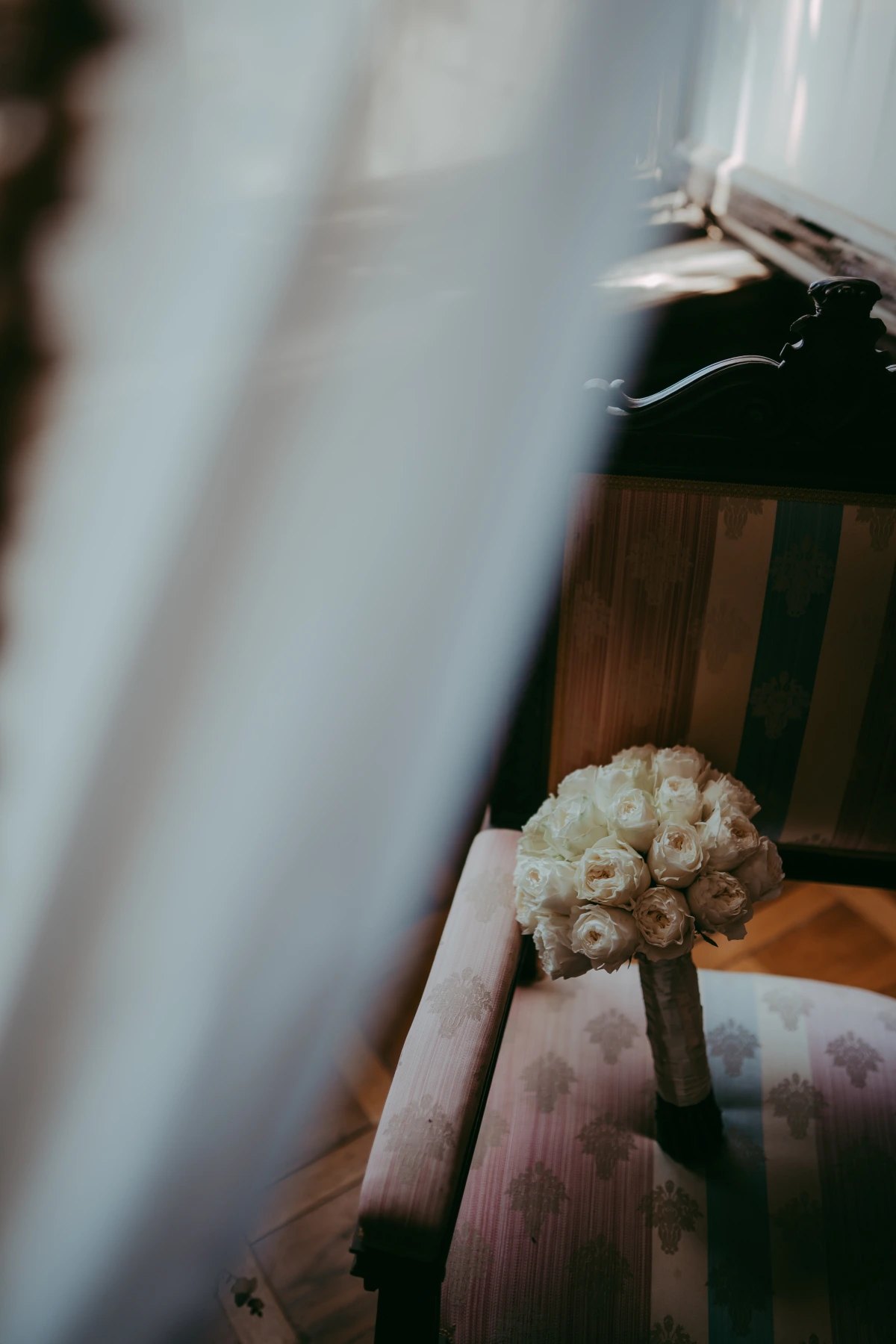
The silence before the ceremony — where everything has a colour waiting to be told.
The Paradox
For many, that sentence sounds like a paradox, almost a system error. How can someone who doesn't distinguish colours "correctly" make light and colour their livelihood?
The story begins long ago. As a child at school, I painted fields brown and skies violet. It wasn't a whim — it was simply the world as I saw it. The teachers would tear up my drawings in front of everyone, and my classmates couldn't wait: those scenes became the perfect excuse to tease me. Colour blindness, back then, wasn't just a matter of colours. It was a wound.
For a long time I experienced it as a flaw, an insurmountable obstacle. I won't deny that the journey has been uphill. There have been moments of deep frustration, anger and yes, even tears. I've had to face the fear of not being "enough" — the fear of being judged by clients, by colleagues, the constant worry of not measuring up. And that's precisely why I kept it secret for so long.
The Choice to Never Give Up
But the truth is, I never gave up. I chose not to be defined by my vision, but to study it.
For years, black and white was my refuge, my comfort zone. There I felt safe, master of contrast and light. But there was always a weight inside — the feeling that it wasn't enough, that something was missing. I didn't feel complete.
So I did something that calling "hard work" would be an understatement: I pushed myself — relentlessly, almost violently — for hours and hours in front of the screen. RGB codes, colour palettes, Pantone swatches, chromatic charts. I learned to read numbers where my eyes couldn't reach. But the real turning point came thanks to the people closest to me: I asked them to give me a "normal" view — forgive the term — to guide me through the subtlest shades, the ones I couldn't distinguish. With their patience, I began to map those colours in my mind, building a sensory chart all my own. A chart that accompanies me every time I raise my camera.
I built a bridge between what my eyes saw and what technology told me was "real".
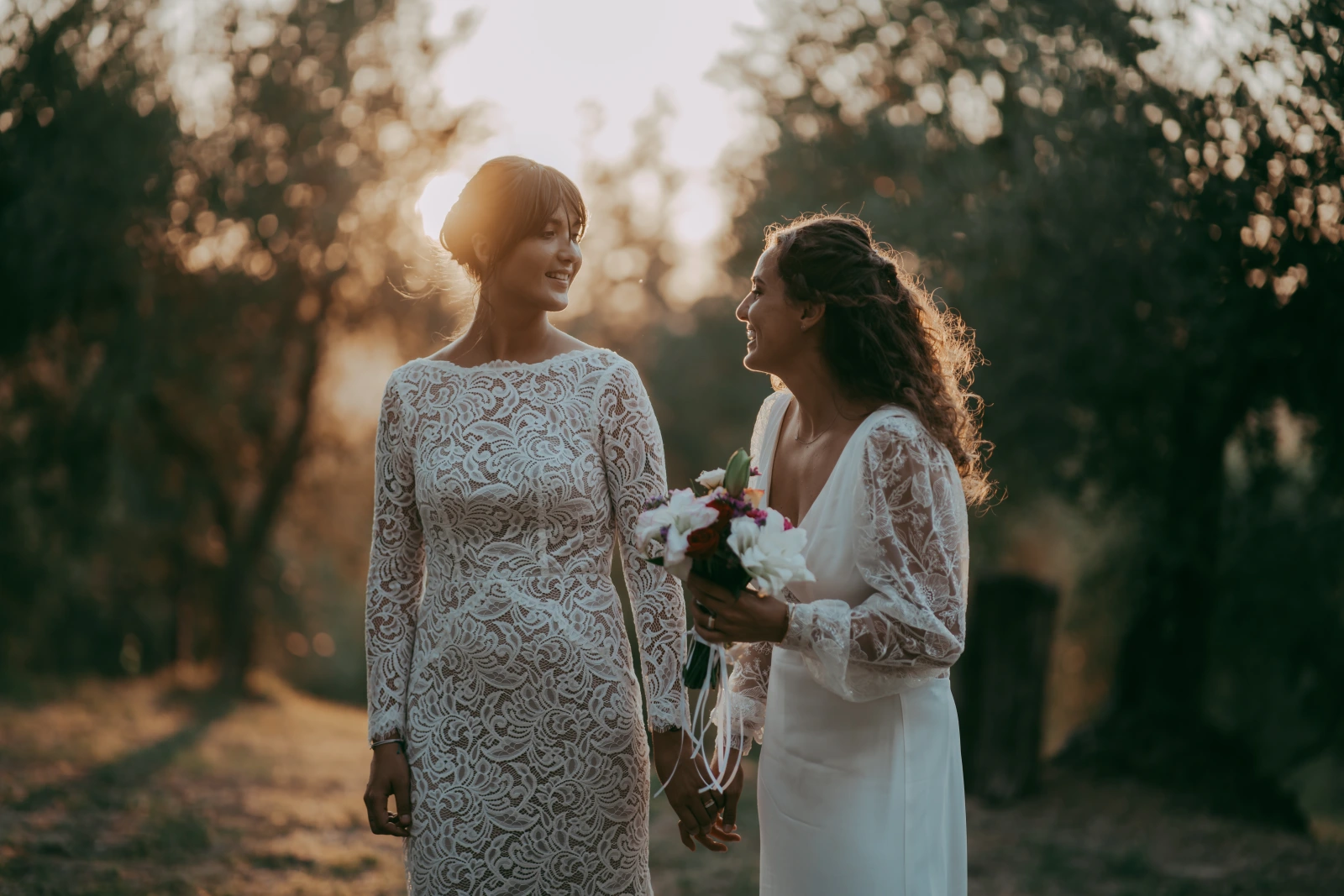
The golden hour — when light does its finest work and colours become emotion.
How I See the World
My colour blindness isn't a grey veil — it's a different way of grouping the universe. I see the chromatic scale in large emotional blocks.
Everything from sky blue to violet, for me, is simply blue. It's a deep, uniform ocean that embraces shades that others call by different names.
Red, green, brown, certain tones of ochre and orange... for me they belong to the same great family. They're kindred colours, siblings of the same chromatic root.
This way of seeing has inevitably shaped my style. Where you see a clear distinction, I see a harmony that blends together.
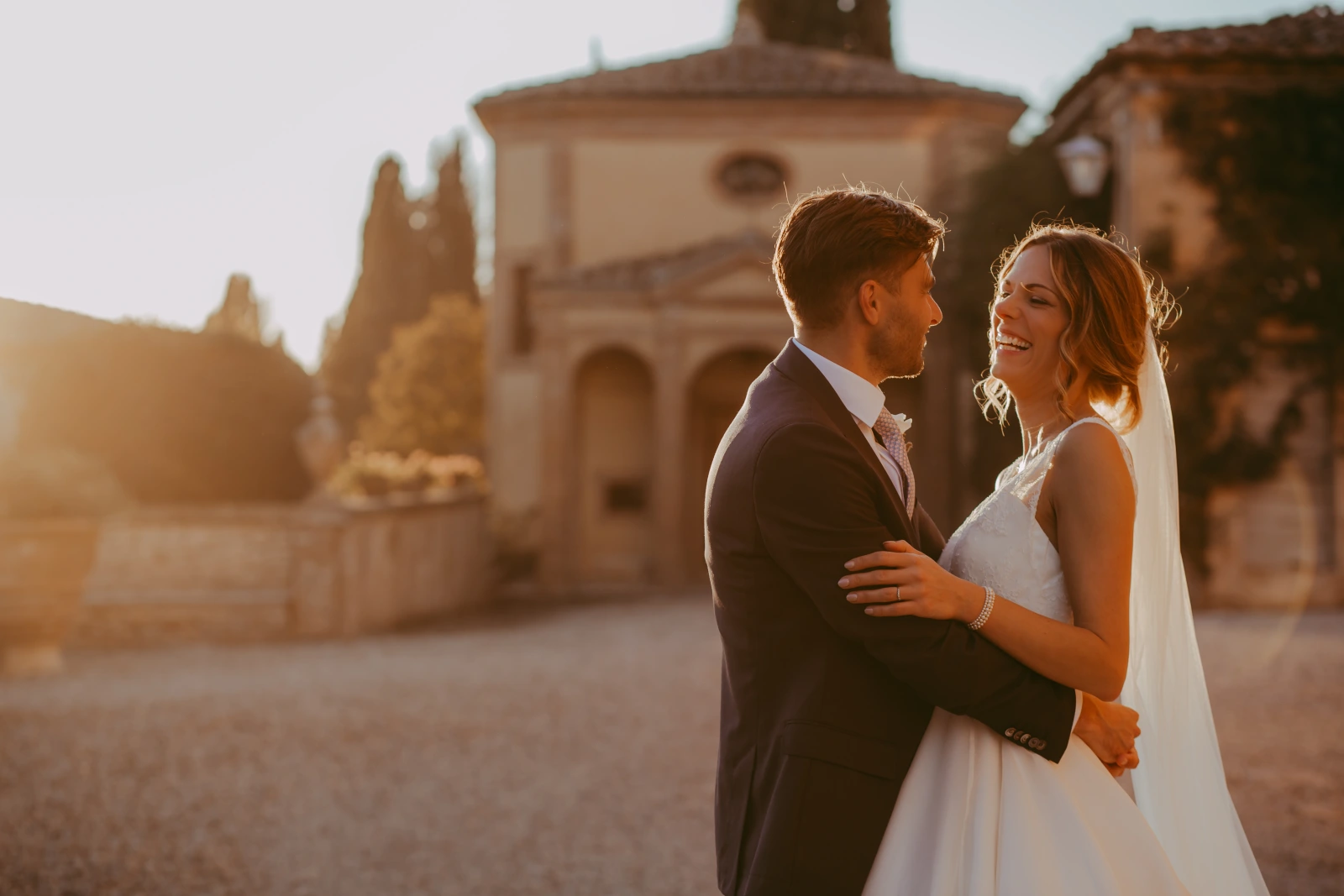
Tuscan villa, golden light — where the distinction between colours dissolves into pure harmony.
The Unique Filter
Today I no longer see my colour blindness as a limitation, but as a unique filter. And I arrived at this awareness after years — years in which I understood that everyone is perfect in their own imperfection. That hiding a part of yourself doesn't make it disappear, it just makes it heavier.
My photographs speak for me. What you see in my images — the balance of contrasts, the choice of light, the post-production — is the synthesis of all my effort and experience. Of the child whose drawings were torn up. Of the teenager who studied colour codes in the dead of night. Of the adult who learned, slowly, to embrace his own way of seeing.
My style is my signature. Despite — or perhaps thanks to — my particular vision, my photos communicate. And if an image moves you, then colour has served its purpose, regardless of the name we give it.
Opening up today means telling you that technique can be studied, but one's gaze... one's gaze is something intimate and unrepeatable.
This is mine.
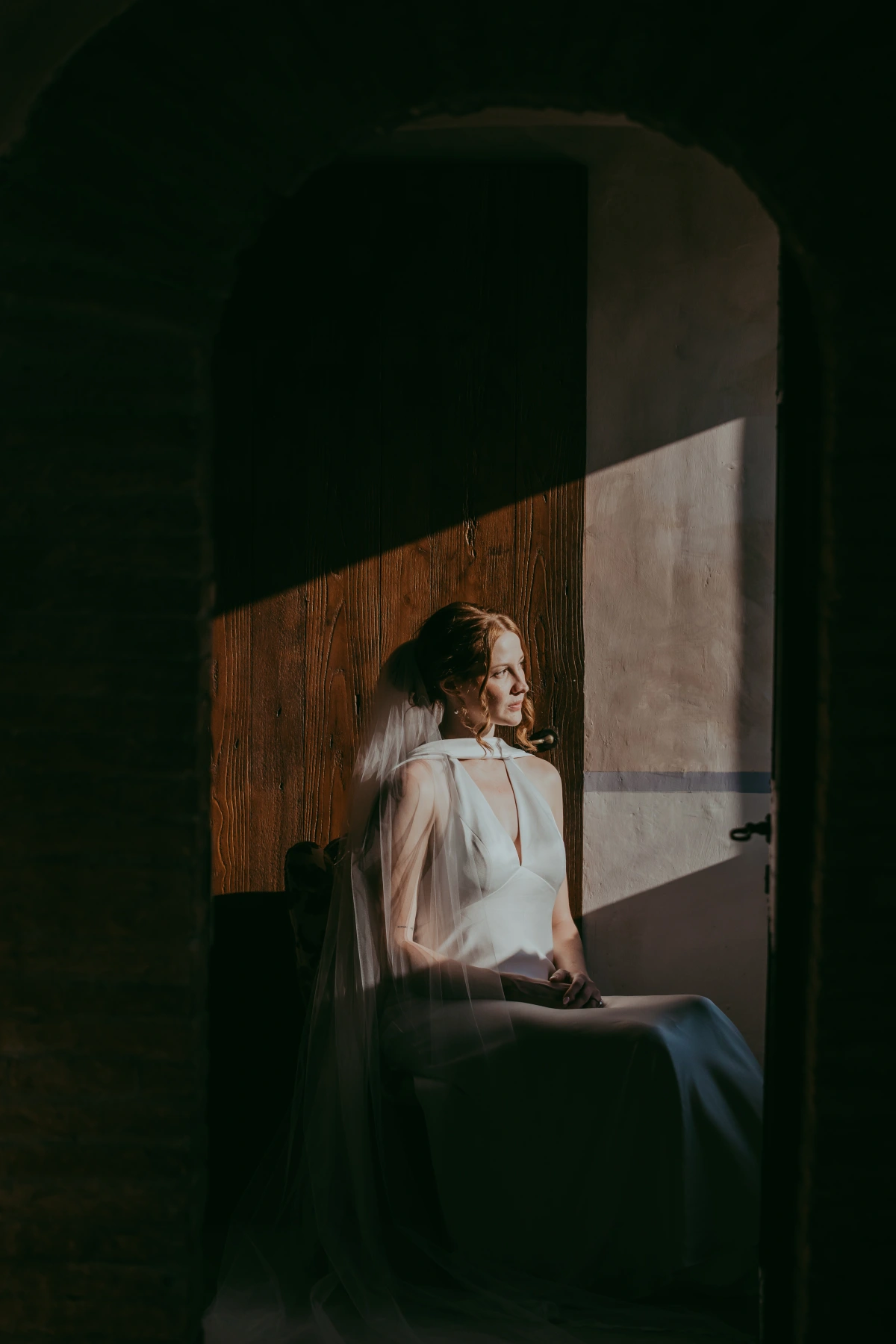
I seek light, I seek shadow — contrast as a narrative tool.
Seeing with the Heart: How I Work Every Day
There's no formula. There's no preset filter that solves everything. There's only dedication — absolute, total, the kind that keeps you in front of the screen until the image tells you it's right.
Every project is a world of its own. On a wedding or portrait shoot, I have creative freedom that allows me to interpret, to pour my own gaze into the work, to make choices that tell something deeper than the simple scene. That's where my way of seeing truly becomes an advantage. When I work on still-life or interior architecture, the margins narrow: colour fidelity is everything, and I know it. In those cases, technique takes the lead, and I respect it — with the same care, the same focus.
But there's one thing that runs through every shot, every project, every client: I always try to stay close to the reality of colours. My post-production is deliberately soft. I don't chase effects, I don't pursue colour grading or tints as aesthetic shortcuts. I seek light. I seek shadow. I use contrast as a narrative tool, not as a correction. I want anyone looking at my photos to feel they're there, in that moment — not inside a filter.
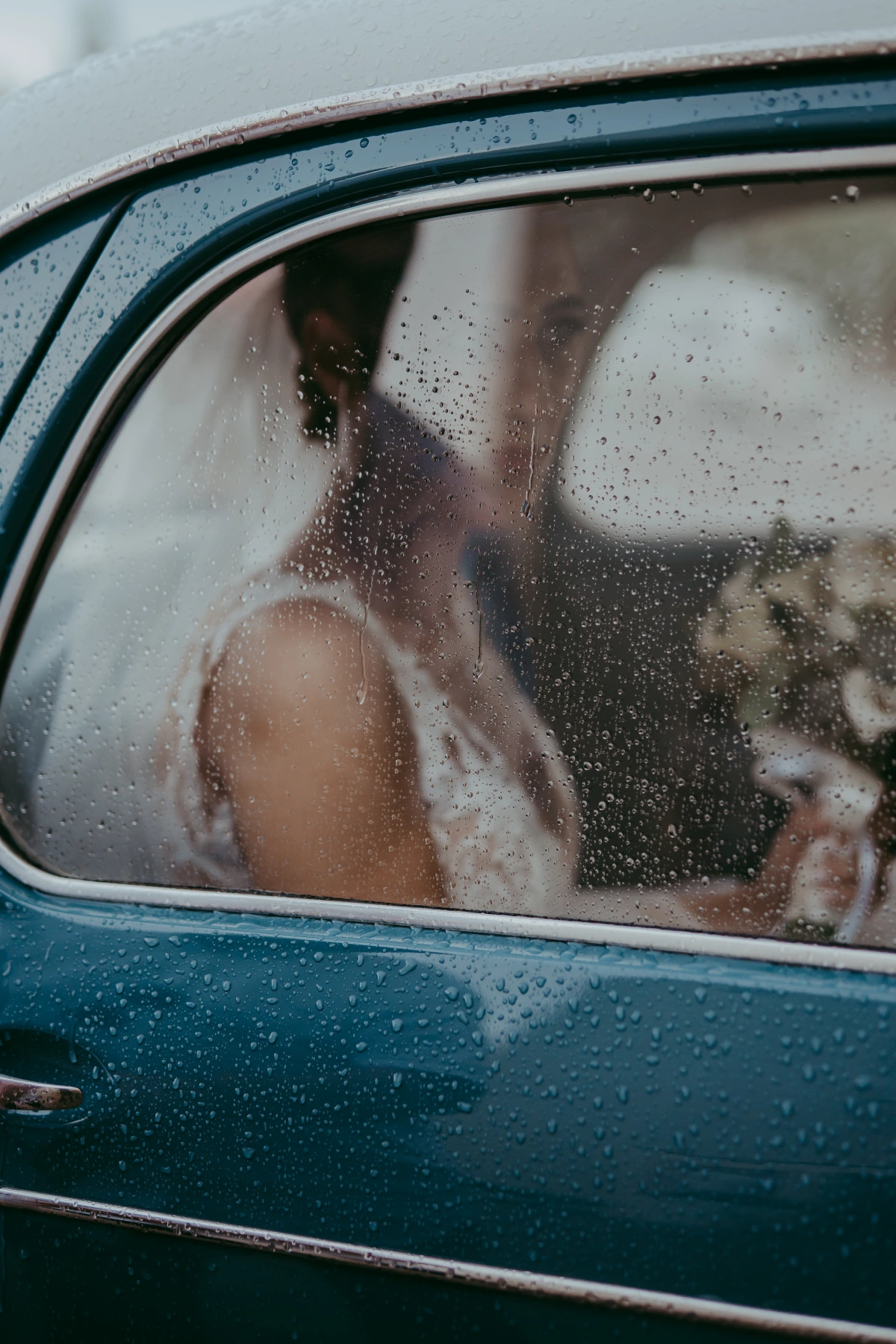
Raindrops as a natural filter — every imperfection tells a story.
I wouldn't be honest if I said the path has been free of stumbles. There have been moments when the distance between what I saw and what I wanted to communicate seemed unbridgeable. But consistency — that stubborn habit of always returning to the work, of never settling, of confronting and questioning yourself — has meant that over time, that distance has shortened. Until it became, almost, a fluent language.
Today, what I see and what I want you to feel when you look at my images speak the same language.
If you'd like to see the world through my eyes, browse my stories — or write to me to tell me yours.
Discover my stories