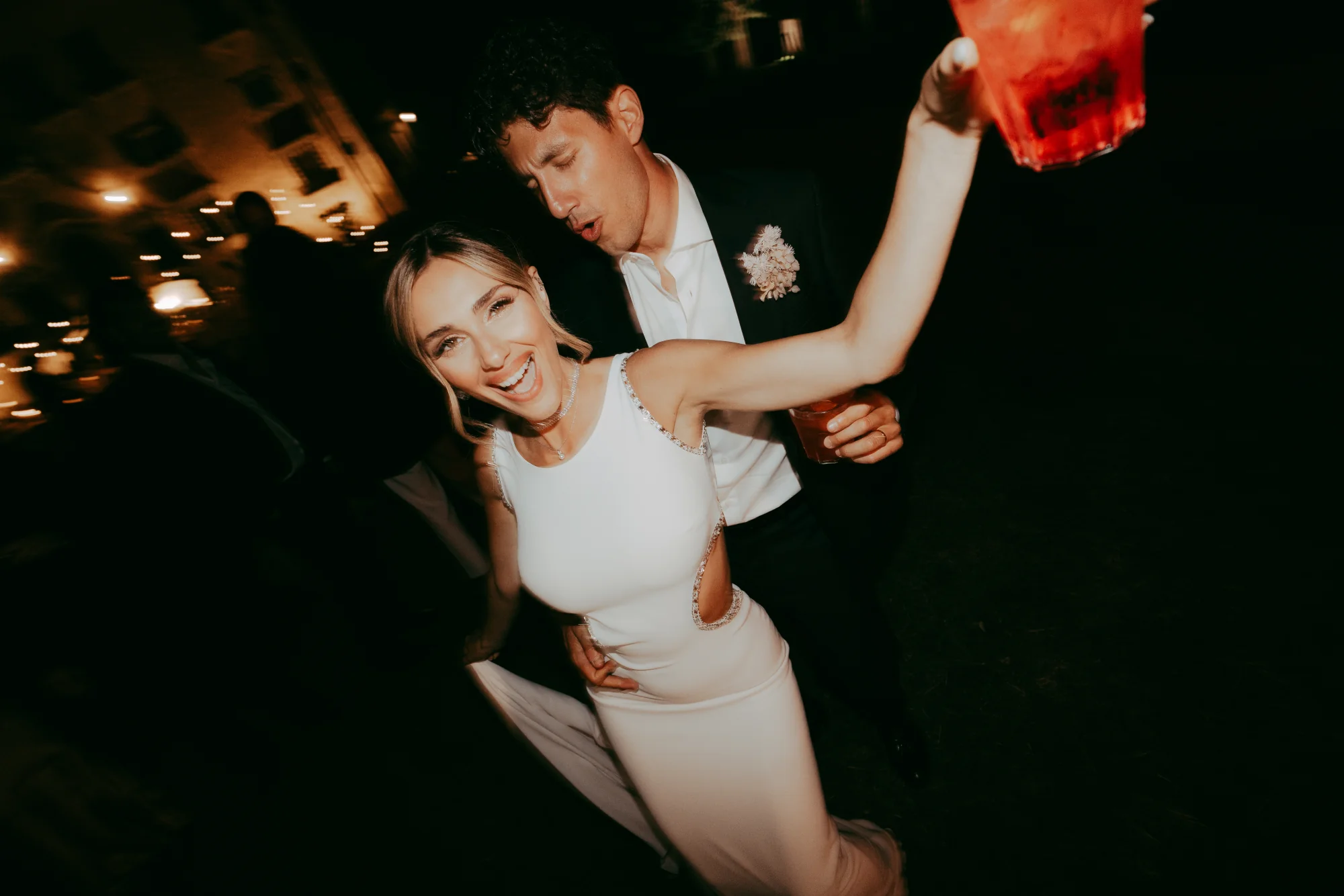
There are photographs taken with the eyes, and photographs taken with something else. For a few years now, mine have belonged to the second category. And the reason is as simple as it is uncomfortable to admit: I don't see colours the way you do.
I've been doing this for fourteen years. Twelve of them dedicated almost entirely to portraiture and weddings. In that time I've crossed two continents, dozens of cities and just as many cultures, to tell one and the same story in a thousand different forms: two people who look at each other and promise to stay together forever. Every time a new landscape, a new language, a different way of living love — and every time, me, with my camera and my small, great secret.
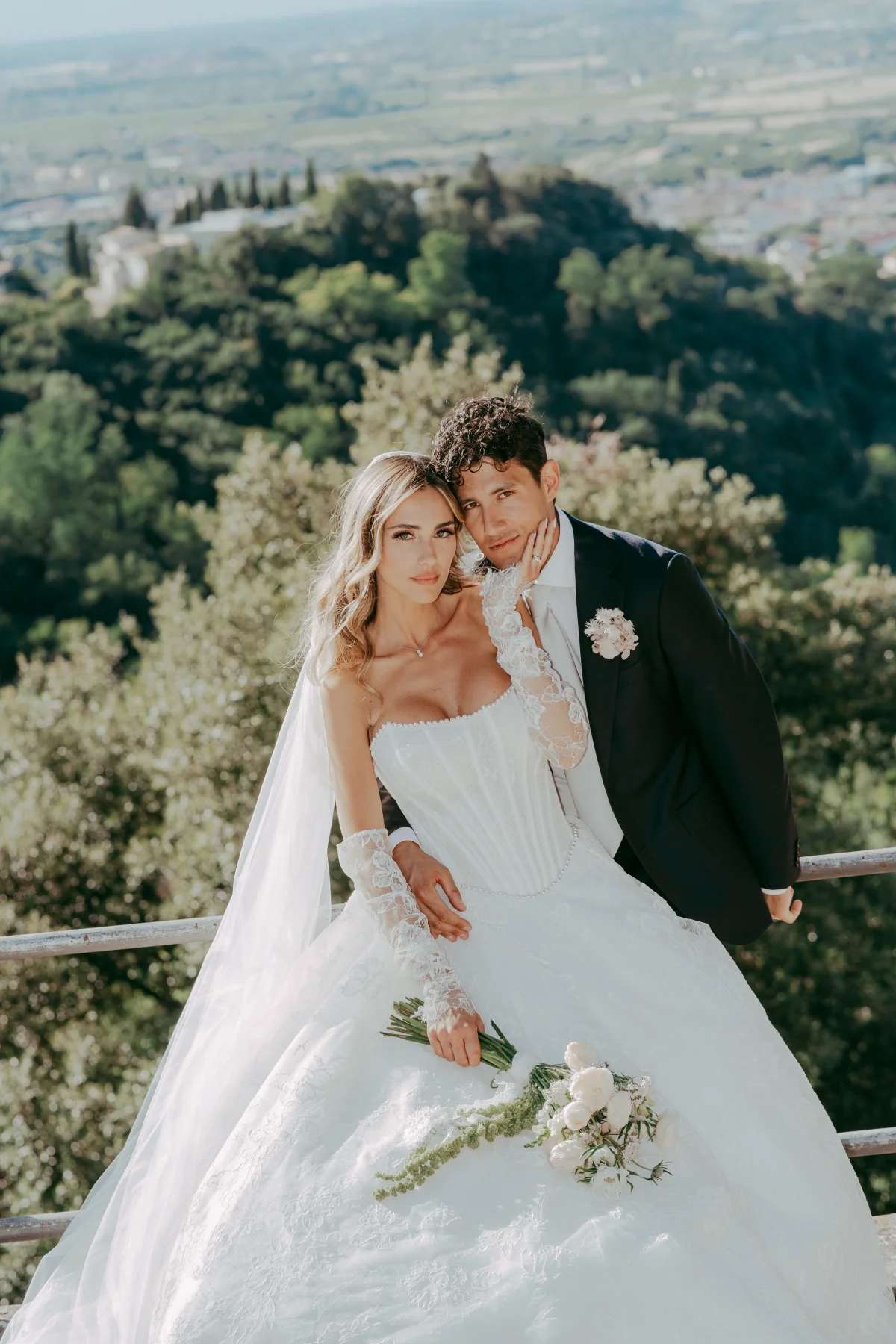
Two people looking at each other — it always starts here.
Photography as an act of trust
Before I get to the colour blindness, though, I have to tell you what photographing means to me. I'm not looking for the beautiful photo. I'm looking for the true one. That connection — I call it that, connection, because I haven't found a better word — that forms between me and the person I'm watching through the lens. I'm a photographer and an empathetic person, perhaps too much so: I need to feel people before I can tell their story. And when I feel it, that spark, I know the photograph will hold forever exactly what I was seeing in that moment. The truth of an instant, fixed on film before time carries it away.
I started out as a pure reportage photographer. Observing without interfering, seeking the truth in spontaneous gestures — it's still the heart of everything I do today. But fourteen years are a long time, and in an artistic craft it's natural, almost a duty, to change your skin, to grow. Trends evolve, tastes evolve, and those who don't adapt fall behind. I chose to adapt, yes — but on my own terms, in pure Mortini style. My reportage began to be touched by an editorial eye, and with it came back a desire to experiment that I thought I'd lost long ago.
The necessary chaos
It wasn't a simple transition. For years my mind had built the most rigid standards: iron composition, clean images, straight lines, horizons always perfectly level, purely "horizontal" frames. I remember a photographer I once worked with who always used to say, "Vertical is evil!". Every shot had to respect those non-negotiable rules, and stepping outside them meant, to me, making a mistake.
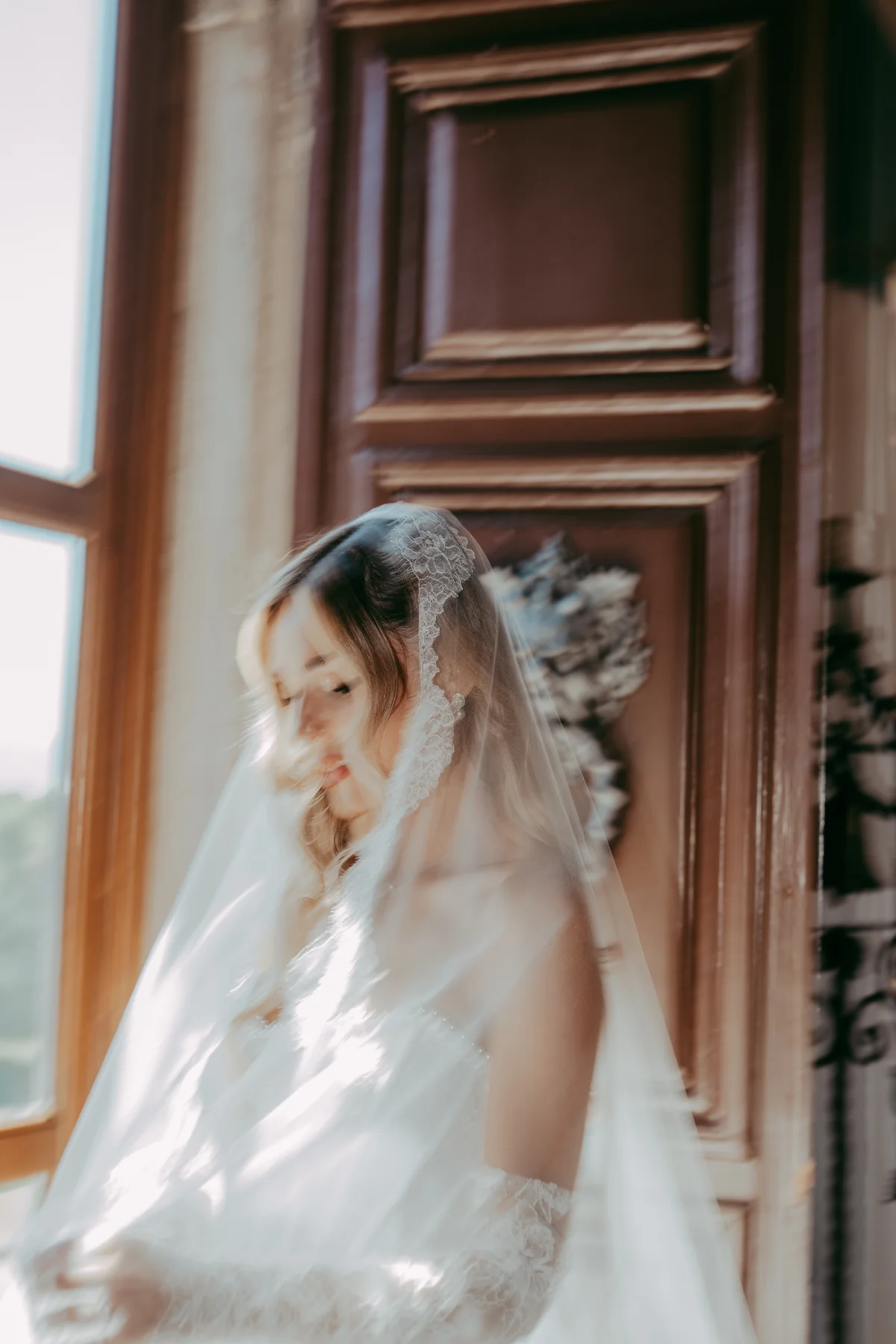
Blurred, almost confused frames — imperfect, and for that reason truer.
Then I dared. Straight horizons began to tilt. Ambient light gave way, more and more often, to a flash or a mixed, harsher, more alive lighting. Perfectly still images made room for blurred, out-of-focus, almost confused frames — imperfect, and for that reason truer. The result was a different kind of storytelling: more fluid, more cohesive, able to leave you wanting to discover what comes next. A detail lit with flash set against an elegant, detached portrait. There it is, the magic I had been chasing for so long.
The flaw I chose to listen to
And then there it is, the piece that made everything fall into place: my colour blindness.
For a long time I felt defective. A step behind my colleagues, always. Not being able to see and recognise colours like everyone else meant working twice as hard, checking twice, always doubting what my eyes gave back to me. I kept this secret guarded for a long time, the way you do with the things you're a little ashamed of.
What if this disadvantage of mine became, instead, a turning point?
I stopped chasing a chromatic perfection that wasn't mine. And I found it elsewhere — in composition, in narrative, in what an image tells before its colours ever do. My so-called flaws became my signature: more loaded, more saturated tones in skin, a sky that veers slightly away from conventional blue, greens that are less deep, often streaked with red and brown. "Wrong" shades that everyone sees, but simply because no one ever taught them to see them the way I do.
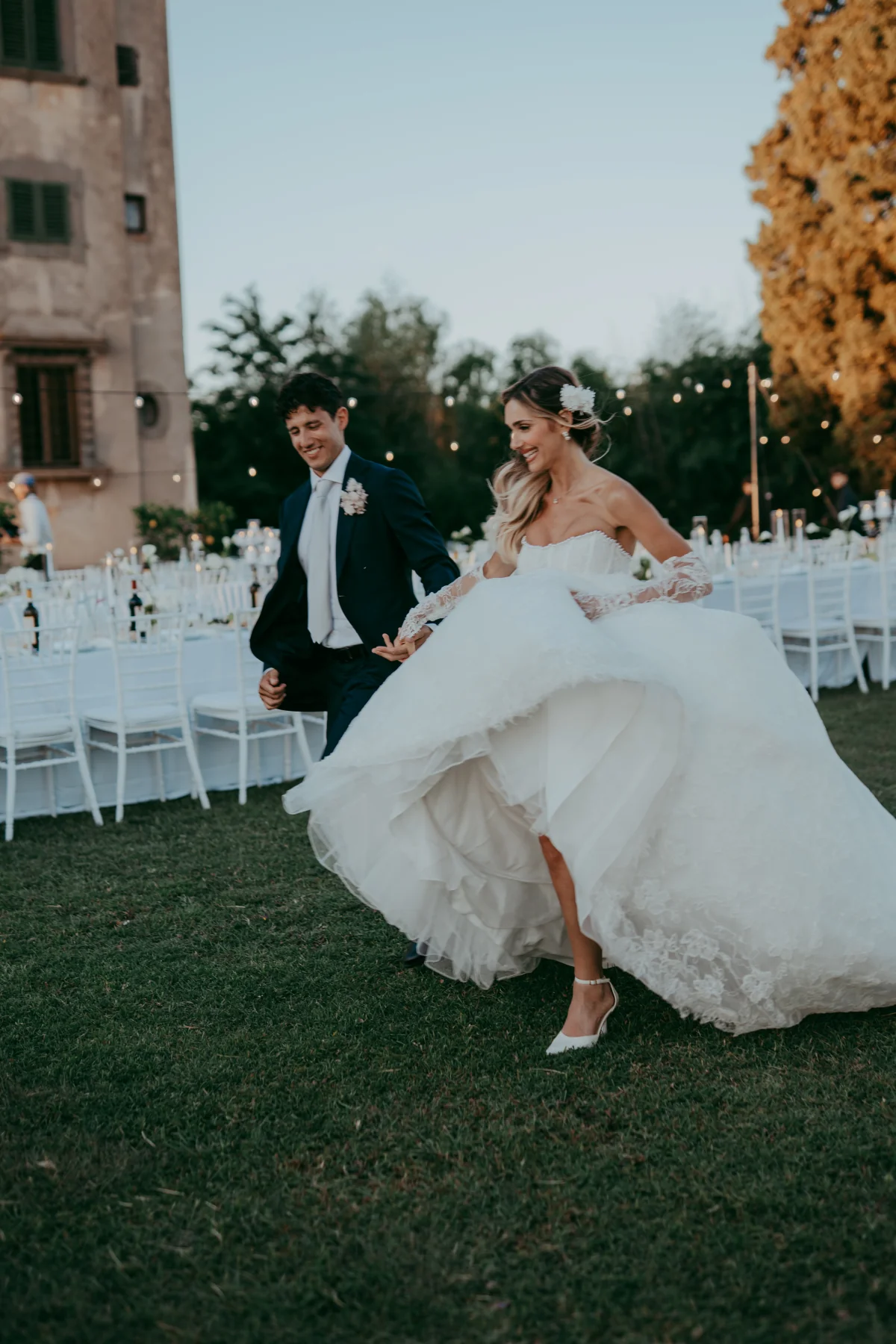
Deeper colours, light that veers — my chromatic signature.
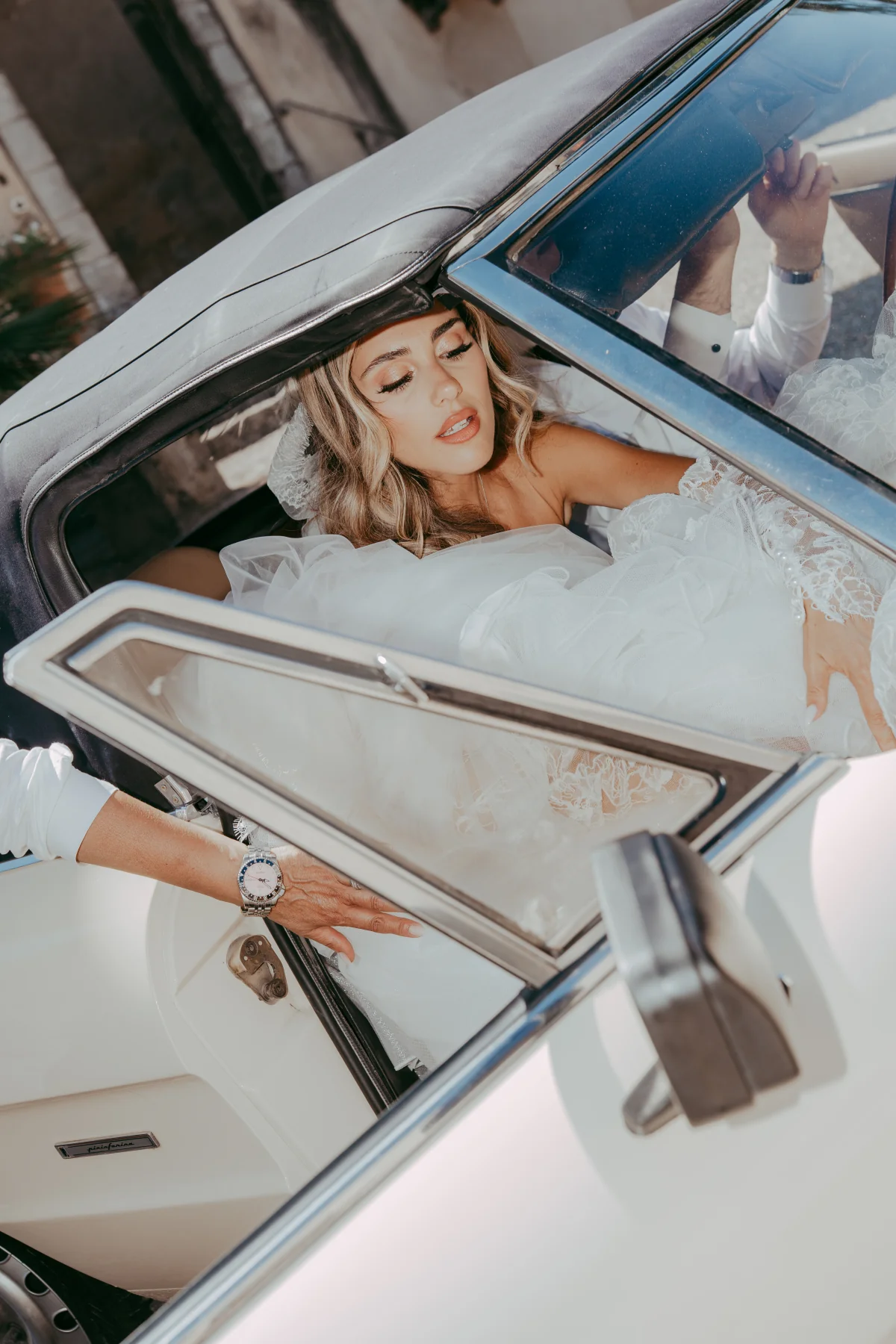
An elegant, detached portrait — the editorial eye.
A signature, not a limit
I stopped chasing the idea of normality the world expected of me, and I began to build something that truly resembled me. Today people recognise one of my photographs before they even read my name beneath it — and that, I believe, is the most important goal a photographer can reach. It isn't flawless technique or the absence of mistakes. It's a way of seeing so personal that it becomes unmistakable.
Colour blindness took nothing from me. It gave me a key to reading the world that no photography manual could ever have taught me. And if today my images look different to you, more loaded, a little outside the lines — now you know why.
I don't look at the world the way you do. And it's precisely for this reason that, perhaps, I can tell stories that almost no one has ever told before.
If my way of seeing resembles yours, browse my stories — or write to me to tell me yours.
Discover my stories